

The first email after an enquiry should reduce uncertainty. Confirm that the message arrived, explain who will review it and state what happens next. Avoid claiming that someone will respond within a fixed timeframe unless the team can meet that commitment consistently.
Write A Useful Confirmation
Use a recognizable sender name and a subject that clearly identifies the request. In the body, thank the person, restate the broad topic they selected and provide a realistic next step. Tell them what information would help a conversation, but do not ask them to send sensitive personal or health details through an ordinary email form.
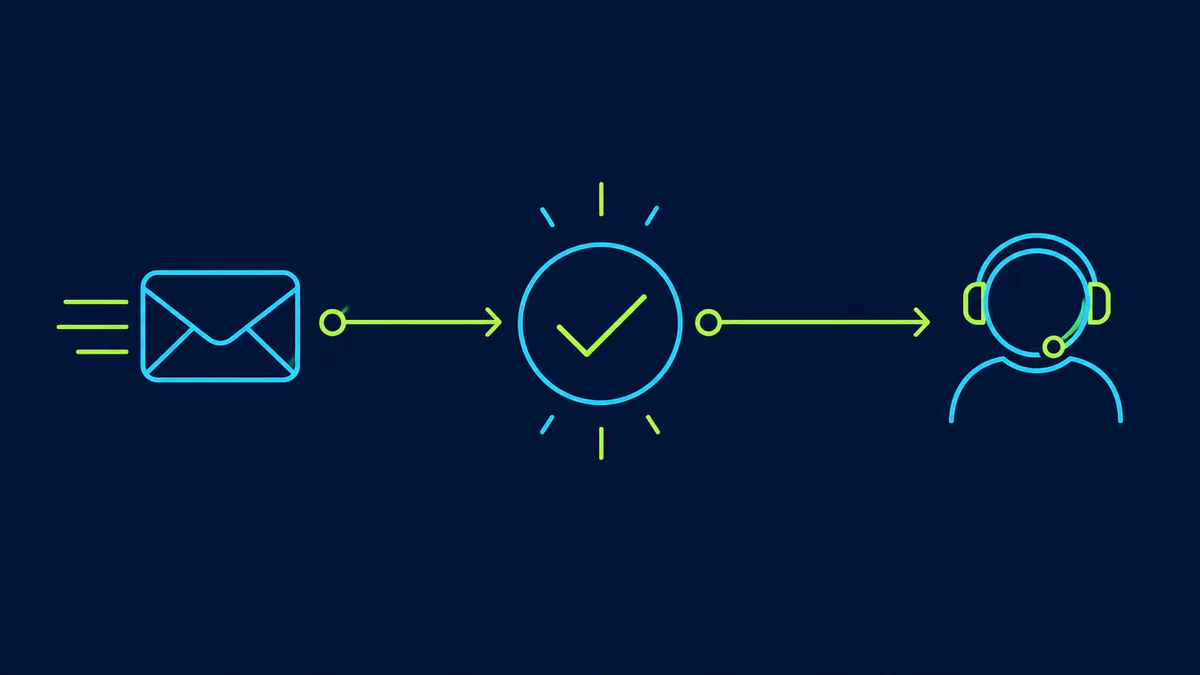
Keep service confirmation separate from ongoing marketing. A person asking for a consultation has not necessarily agreed to receive a newsletter. Explain any subscription choices clearly and record permissions according to the applicable rules and your privacy practices.
Make Follow-Up Relevant And Human
If more than one message is appropriate, each should add something useful: a preparation checklist, a relevant service overview or an answer to a common question. Use a reasonable cadence based on the relationship and the person’s expectations. Stop when they reply, opt out or the request is resolved.
Route specialist questions to the right person. Do not use automated copy to imply that a human has already reviewed the enquiry if that has not happened. Create an escalation path for urgent or sensitive matters and describe its limits accurately.
Check Consent, Identity And Unsubscribe Needs
Marketing email rules vary across countries and contexts. The UK ICO explains electronic direct marketing requirements under PECR, while the U.S. FTC provides a CAN-SPAM compliance guide. These sources are jurisdiction-specific; confirm which rules apply to the recipients and campaign before sending. Ensure commercial messages identify the sender and provide required opt-out options.

Sporteology’s contact page is the appropriate starting point for a business conversation, and its privacy policy explains site data practices. Follow-up should match what the person requested and what the organization can actually deliver.