

A marketing partner’s first weeks are more productive when the client team provides the context, access and decision-making path the work needs. Onboarding is a shared process: the partner asks good questions, and the organization supplies accurate information and timely review.
Prepare The Business And Audience Context
Before kickoff, write down the business priority, target audiences, services or products in scope, current constraints and what the team hopes the work will help them do. Share existing brand guidelines, approved claims, important dates, previous research and examples of customer questions. Identify what information is outdated or uncertain.
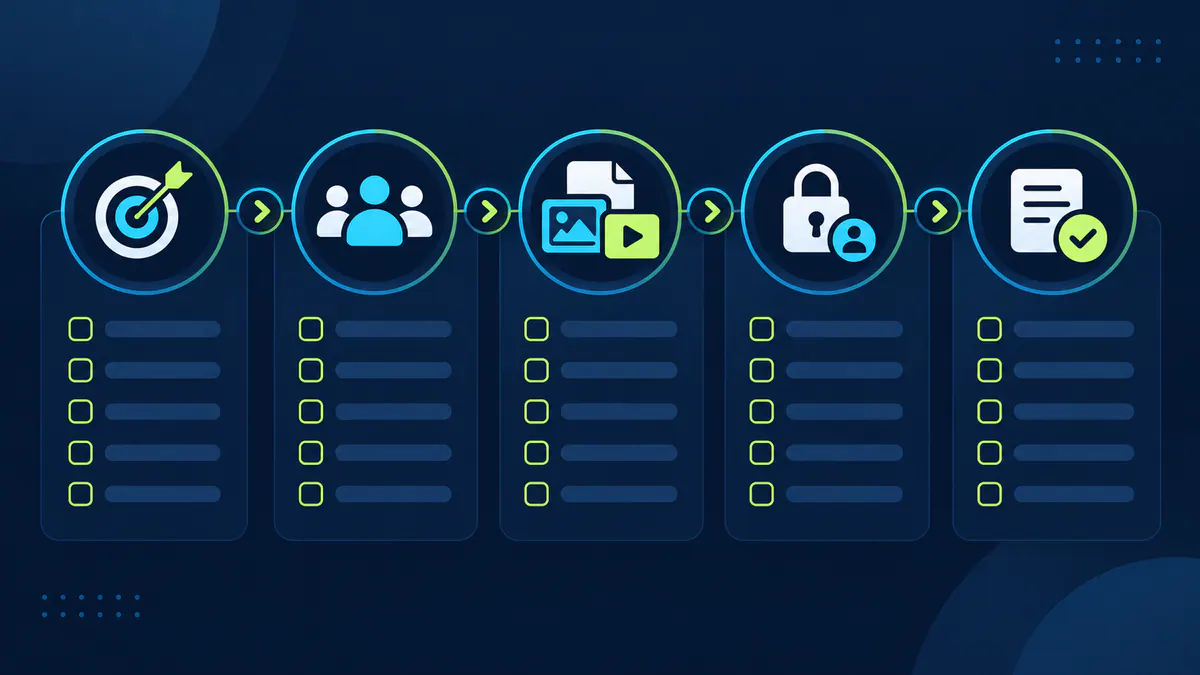
Agree on a baseline before changing campaigns or measurement. Record where existing data comes from, who can access it and any known tracking gaps. Do not share customer or patient data unless the arrangement and safeguards have been reviewed appropriately.
Set Up Access And Decision Rights
Create individual accounts where possible and grant only the permissions required. Identify an access owner, approver and escalation contact. Confirm which decisions the partner can make independently and which require client approval. This prevents delays and reduces the risk of accidental changes outside the agreed scope.

Make the review process explicit: where drafts are shared, how consolidated feedback is given, who verifies specialist claims, and what happens when a review deadline is missed. Agree on a practical communication rhythm that matches the amount and risk of work.
Use The First Review To Adjust The Plan
Set an early review point to inspect outputs, open questions, blockers and evidence quality. The goal is to correct the workflow while it is still small. Update the task list when priorities shift, and preserve decisions so new stakeholders can understand why work was scoped a certain way.

Sporteology’s Business & Delivery hub describes coordinated work; learn more about the people behind the approach on the About page. Onboarding should establish a common direction, not imply that a partner can guarantee results.
Sources
- Google Search Central: Creating Helpful, Reliable, People-First Content
- Google Search Central: SEO Starter Guide